top of page
Search

Effective Techniques for Removing Heavy Snow and Ice from Your Driveway

  • Writer: Julius Simms
    Julius Simms
  • Feb 2
  • 3 min read

Heavy snow and ice can turn your driveway into a slippery, hazardous obstacle. Clearing it efficiently is essential for safety and convenience, whether you live in a snowy region or face occasional winter storms. This guide offers practical, proven methods to remove snow and ice from your driveway, helping you maintain clear access to your home or business.


Understanding the Challenge of Heavy Snow and Ice


When snow accumulates heavily, it often compacts and freezes into ice, making removal more difficult. Driveways, especially those with uneven surfaces or slopes, can become dangerous if ice is left untreated. Residential snow removal requires different approaches than commercial snow removal, but many principles overlap.


The key challenges include:


  • Compacted snow turning into ice

  • Large snow volumes requiring physical effort or machinery

  • Preventing damage to driveway surfaces during removal


Knowing these challenges helps you choose the right tools and techniques.


Preparing for Snow Removal


Preparation can make snow removal faster and less strenuous. Here are some steps to take before the snow starts falling or as soon as it begins:


  • Clear debris and obstacles from your driveway to avoid damage to tools and ensure smooth snow plowing.

  • Apply ice melt or sand before snow accumulates to reduce ice bonding and improve traction.

  • Choose the right equipment based on your driveway size and snow volume: shovels, snow blowers, or plows.


Having a plan and the right tools ready can save hours of work.


Manual Snow Removal Techniques


For many homeowners, manual snow removal remains the most accessible method. It is effective for light to moderate snow but can be adapted for heavier snow with the right approach.


Using a Snow Shovel


  • Select a sturdy, ergonomic shovel to reduce strain.

  • Start by clearing a narrow path in the middle of the driveway.

  • Push snow to the sides rather than lifting it when possible.

  • Take frequent breaks to avoid overexertion.

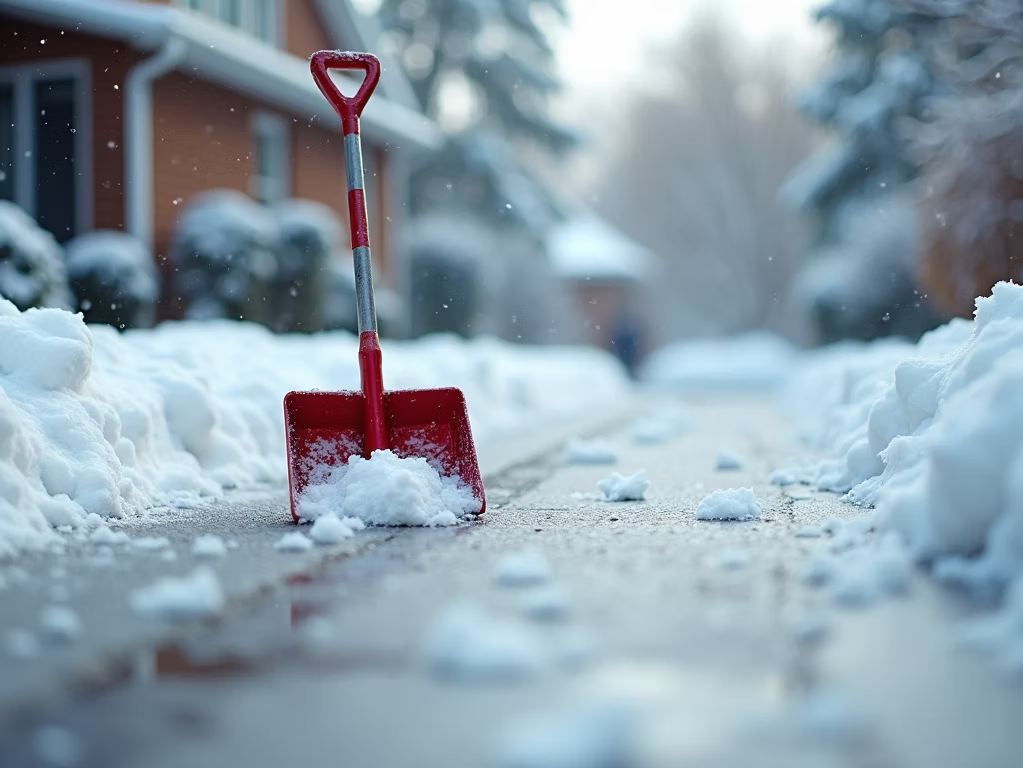
  • For ice, use a metal-edged shovel to chip away carefully.


Using Ice Scrapers and Snow Brushes


  • After shoveling, use an ice scraper to break up remaining ice patches.

  • A snow brush can clear loose snow from surfaces without damaging them.


Manual removal is labor-intensive but allows precise control, especially in tight spaces.


Mechanical Snow Removal Options


When snow piles up heavily, mechanical assistance can save time and effort.


Snow Blowers


  • Ideal for medium to large driveways.

  • Choose a model with adjustable speed and clearing width.

  • Clear snow in layers if it is very deep.

  • Regularly check and maintain the machine to avoid breakdowns.


Snow Plowing


  • Snow plowing is common in commercial snow removal but also useful for large residential driveways.

  • Hiring a professional snow plowing service can ensure quick and thorough clearing.

  • If you own a plow attachment for a vehicle or ATV, use it carefully to avoid damaging the driveway surface.


Mechanical methods reduce physical strain and speed up the process but require investment or hiring professionals.


Eye-level view of a snow plow clearing a residential driveway covered in heavy snow
Snow plow clearing heavy snow from a residential driveway

Dealing with Ice on Driveways


Ice is often the most dangerous part of winter road clearing. It can cause slips and falls and damage vehicles.


Applying Ice Melt Products


  • Use calcium chloride or magnesium chloride-based ice melts for effective melting at low temperatures.

  • Avoid rock salt on concrete or asphalt as it can cause surface damage.

  • Apply ice melt evenly and before ice forms if possible.


Using Sand or Kitty Litter


  • Sand or kitty litter does not melt ice but improves traction.

  • Spread them on icy patches to reduce slipping hazards.


Mechanical Ice Removal


  • Use an ice chopper or metal-edged shovel to break thick ice layers.

  • Be careful not to gouge or crack the driveway surface.


Combining chemical and mechanical methods often yields the best results.


Tips for Efficient Snow and Ice Removal


  • Start early: Removing snow before it compacts reduces effort.

  • Work in sections: Clear smaller areas one at a time to avoid fatigue.

  • Dress appropriately: Wear warm, waterproof clothing and non-slip boots.

  • Stay hydrated and take breaks: Snow removal is physical work.

  • Maintain equipment: Keep shovels sharp and snow blowers serviced.


When to Hire Professional Snow Removal Services


For large properties or heavy snowfall, professional residential snow removal or commercial snow removal services can be a smart choice.


  • Professionals have the right equipment for fast, thorough clearing.

  • They reduce injury risk from heavy lifting or icy conditions.

  • Services can be scheduled regularly during winter storms.


Hiring experts can save time and provide peace of mind, especially for busy homeowners or businesses.


Maintaining Your Driveway After Snow Removal


After clearing snow and ice, protect your driveway to reduce damage and prepare for future snowfalls.


  • Repair cracks or potholes before winter.

  • Seal asphalt driveways to prevent water infiltration.

  • Store snow removal equipment properly to extend its life.

  • Monitor weather forecasts to plan timely snow removal.


Proper maintenance keeps your driveway safe and durable through winter seasons.


Comments


JD's Landscaping Logo
Contact Info

+1 301-835-9340

Mon – Fri : 8:00 – 18:00

207 Oakland Hall Road Prince Fredrick, MD 20678

Laying New Turf

© 2025 By JD'S LANDSCAPING & TRASH REMOVAL

GET CONNECTED ON SOCIAL MEDIA

bottom of page